Low Spots Near Patios
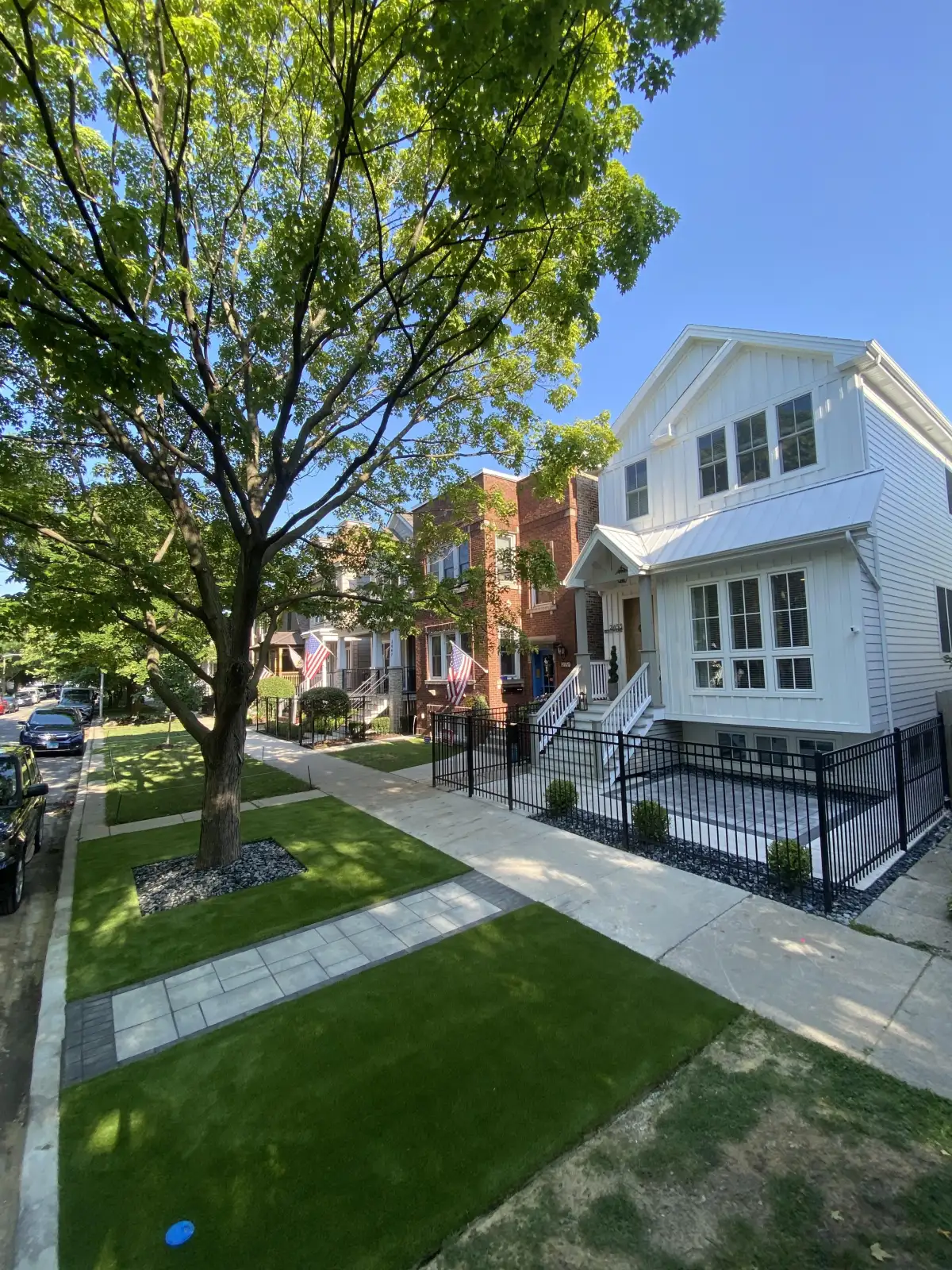
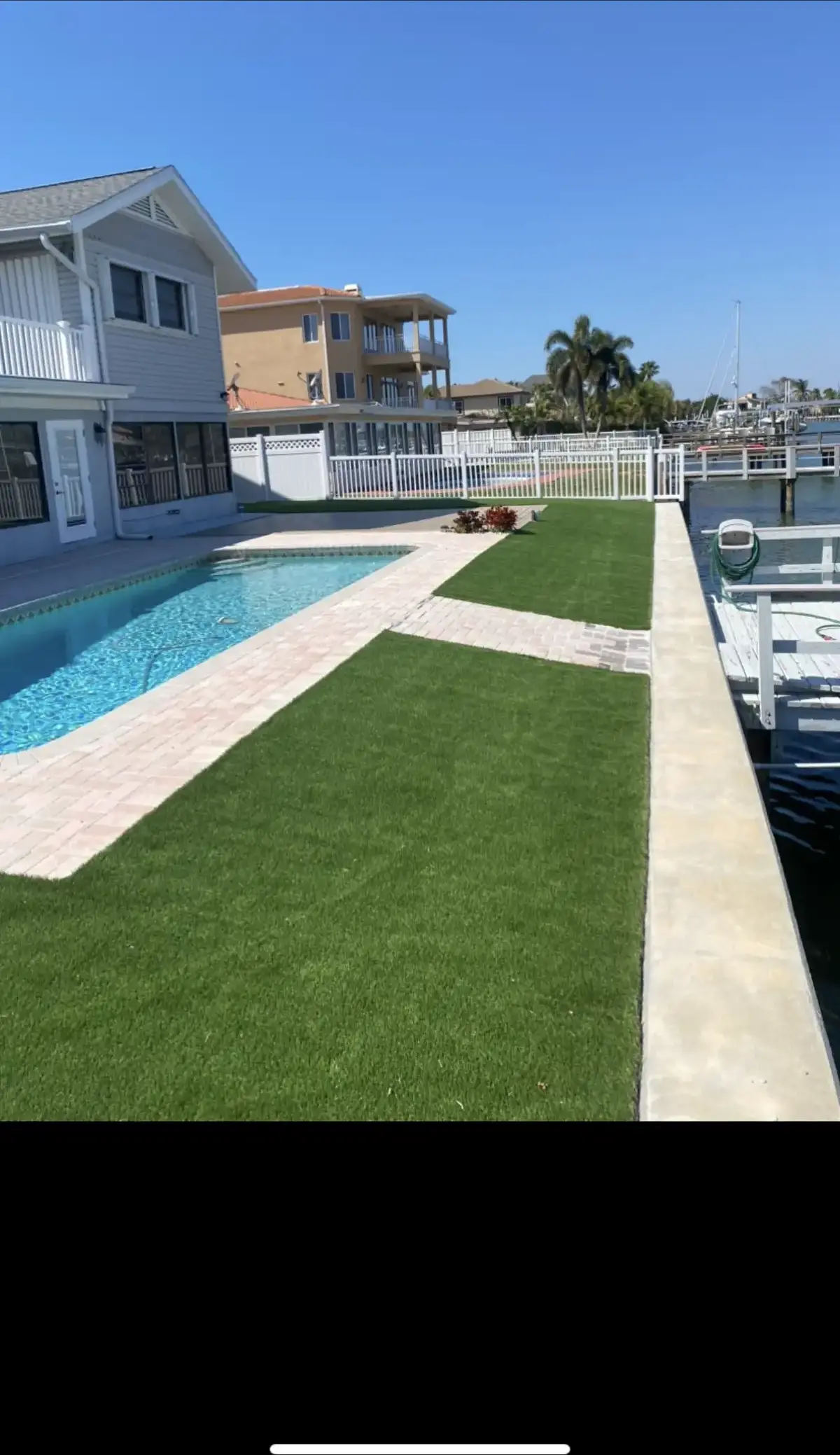
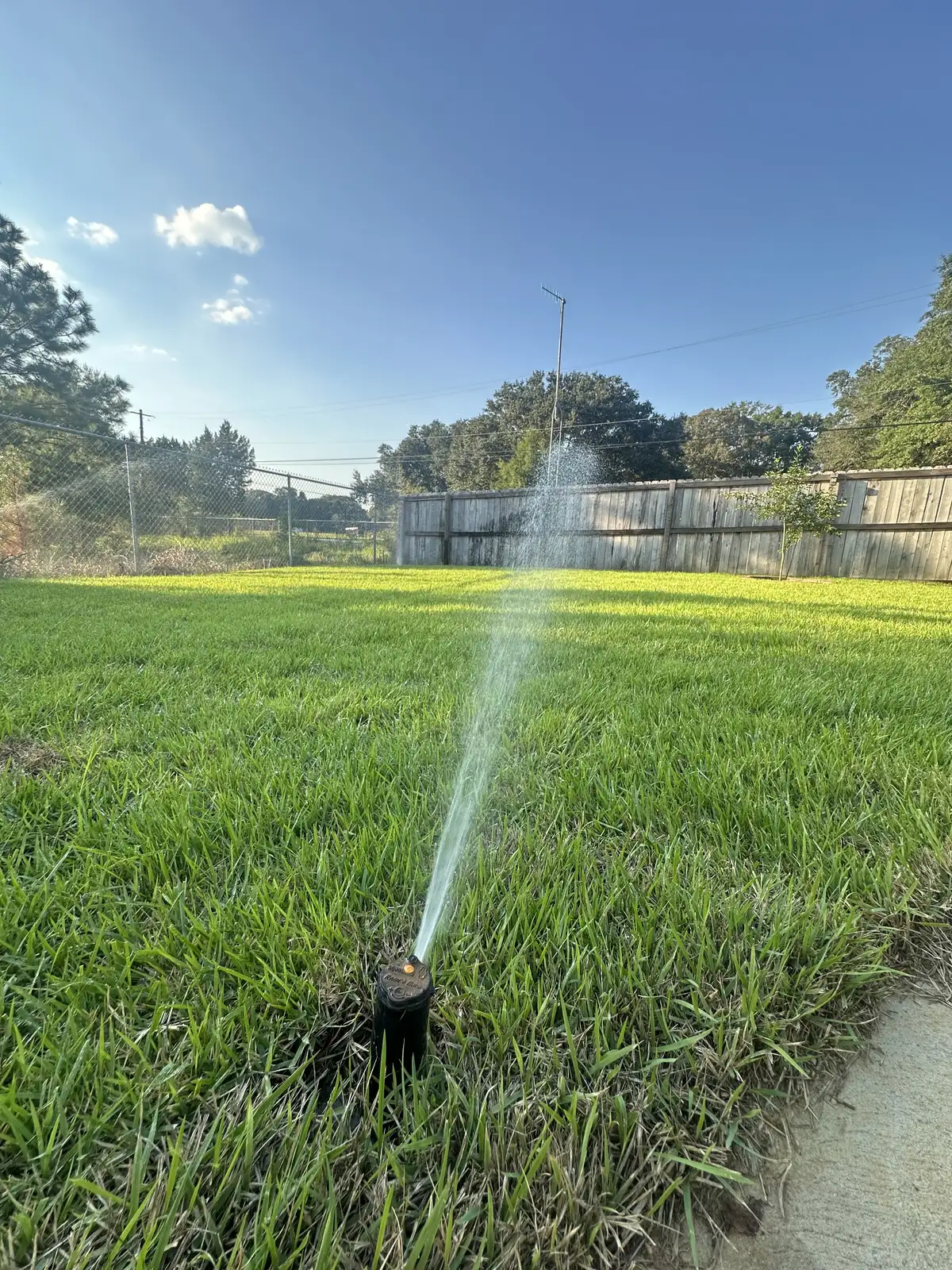
Low spots near patios can make a finished outdoor space hard to use after rain. Standing water can stain pavers, soften edges, attract mosquitoes, and track mud into the house. Sometimes the solution is grading around the patio. Other times the patio base, slope, drain route, or retaining edge needs attention. Cedar Ridge Outdoor Living ties the drainage plan to the hardscape plan so the visible surface and water movement work together.
- Site conditions reviewed
- Scope explained clearly
- Photos and measurements encouraged
- Phasing discussed when useful
Walls Need Drainage Too
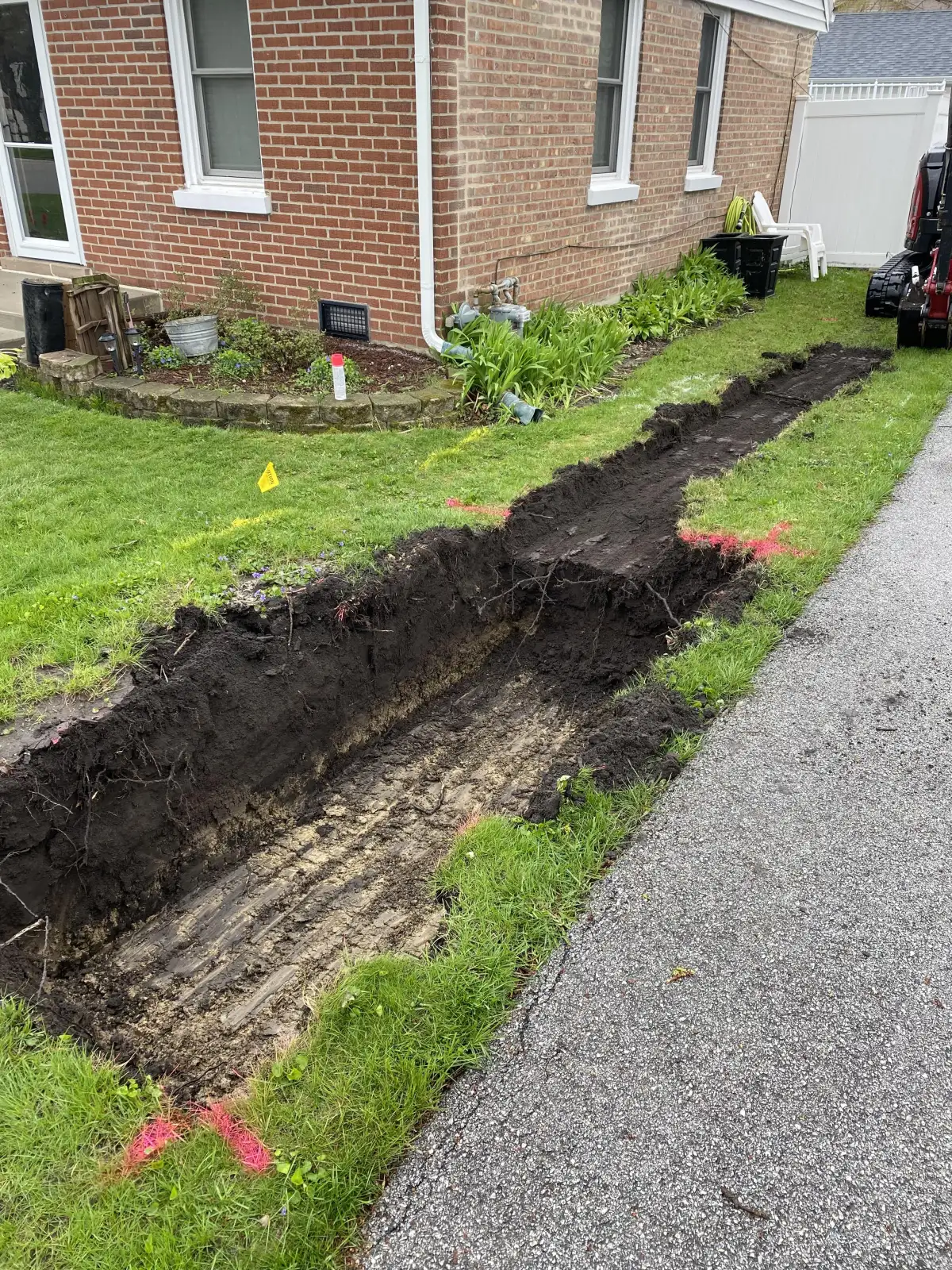
Retaining walls need proper drainage because soil pressure increases when water is trapped behind the wall. Drainage stone, outlets, pipe, and surface grading can protect the wall and nearby patio areas. If a wall is part of a larger outdoor living project, Cedar Ridge Outdoor Living reviews water behind the wall and water across the patio at the same time. That coordination helps reduce long-term movement and erosion.
- Site conditions reviewed
- Scope explained clearly
- Photos and measurements encouraged
- Phasing discussed when useful
Estimate Scope For Drainage Work
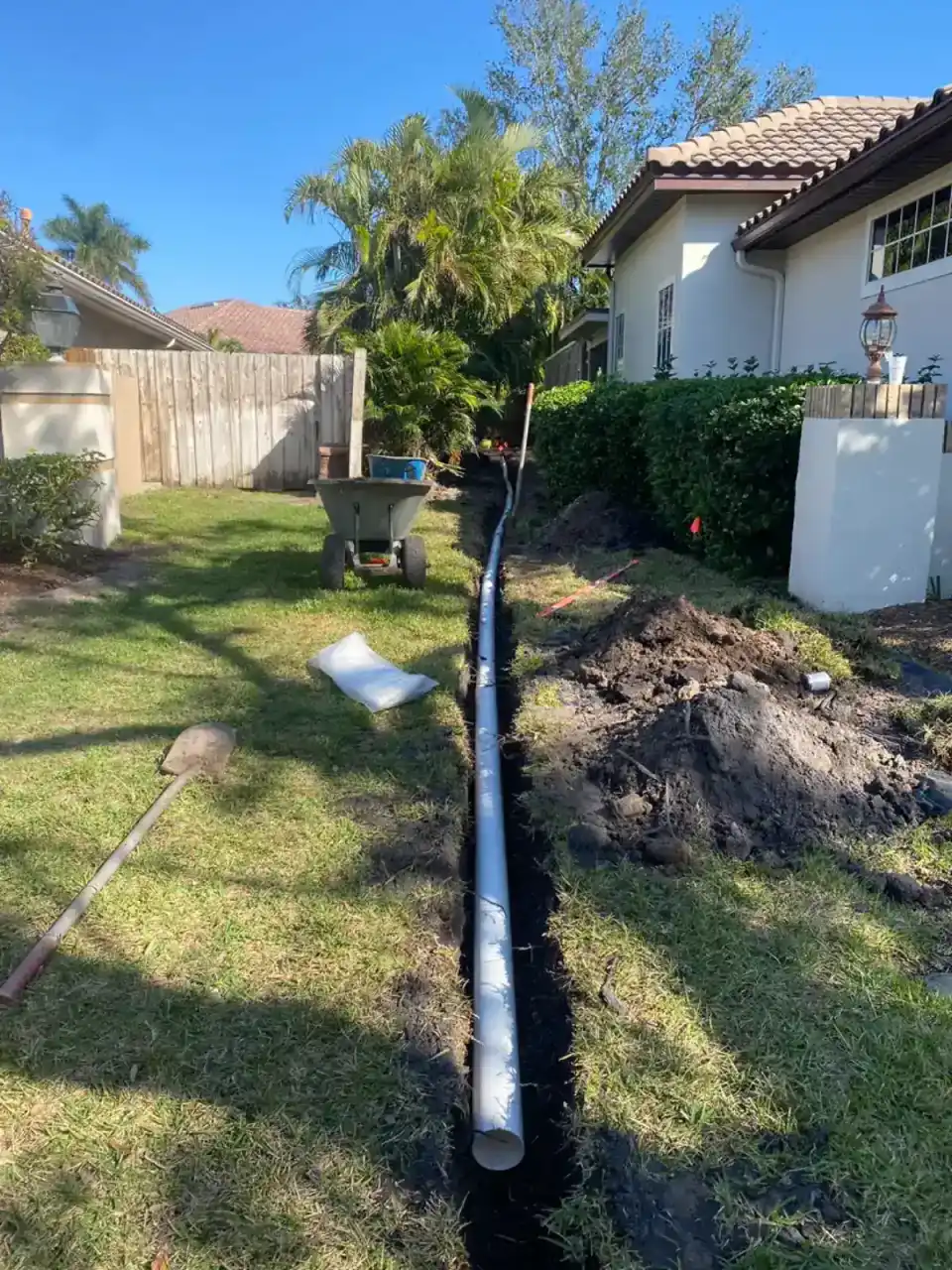
A drainage estimate should explain the symptom, suspected source, recommended route, affected areas, excavation needs, access limitations, and what the solution is meant to improve. Not every yard can be made perfectly dry after every storm, but the scope should be honest about the intended result. Photos after rainfall can be especially useful because they show flow patterns that may not be visible on a dry day.
- Site conditions reviewed
- Scope explained clearly
- Photos and measurements encouraged
- Phasing discussed when useful
When Drainage Comes Before Beauty
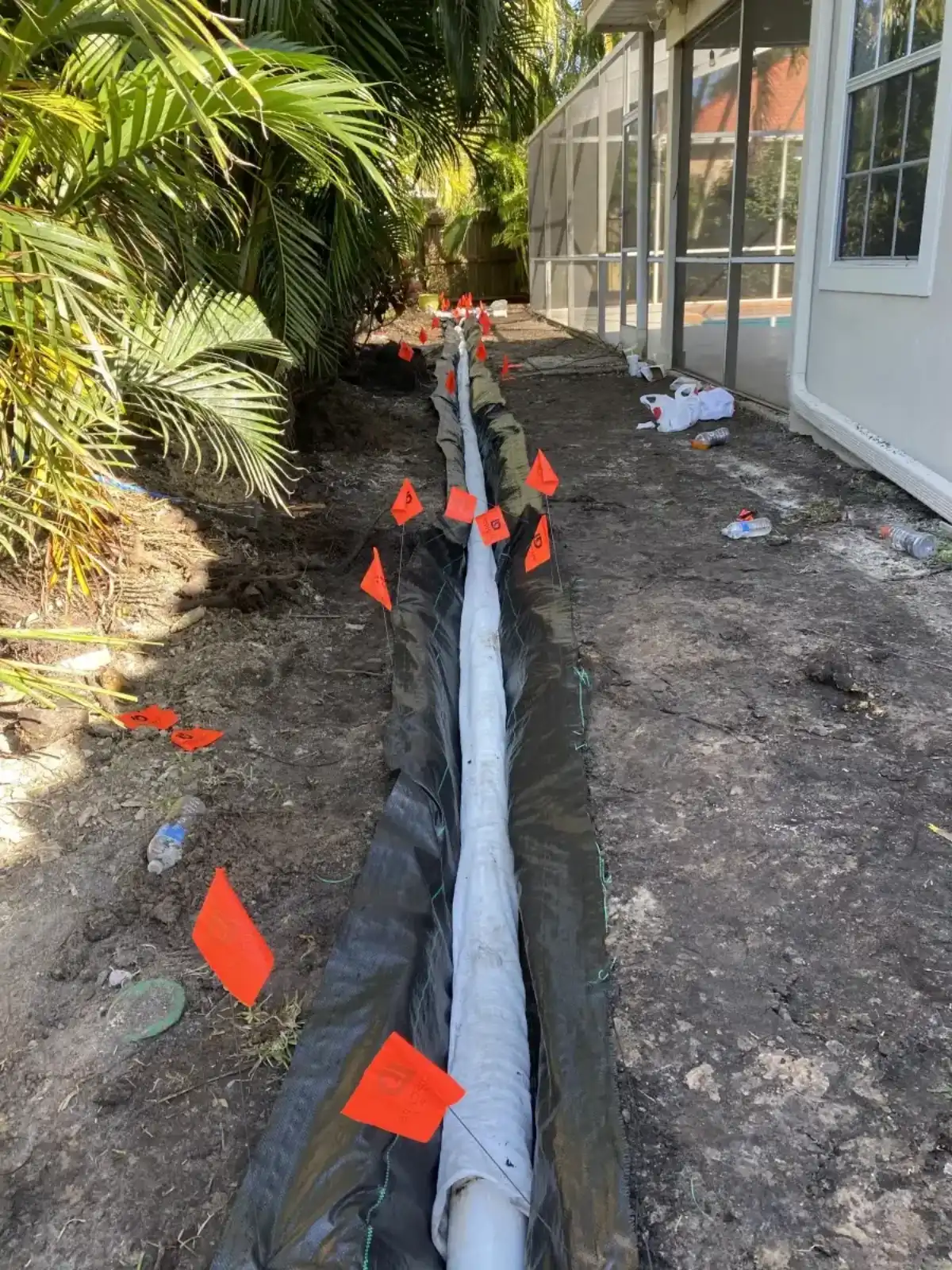
Drainage should be handled before expensive finish materials are selected. A patio, kitchen, or lighting project can look complete but still fail if water pushes under the base or pools around edges. Cedar Ridge Outdoor Living treats drainage as part of responsible hardscape planning, not an afterthought. That may mean spending part of the budget on work guests never notice, because that hidden work protects the part everyone sees.
What Homeowners Can Watch Afterward
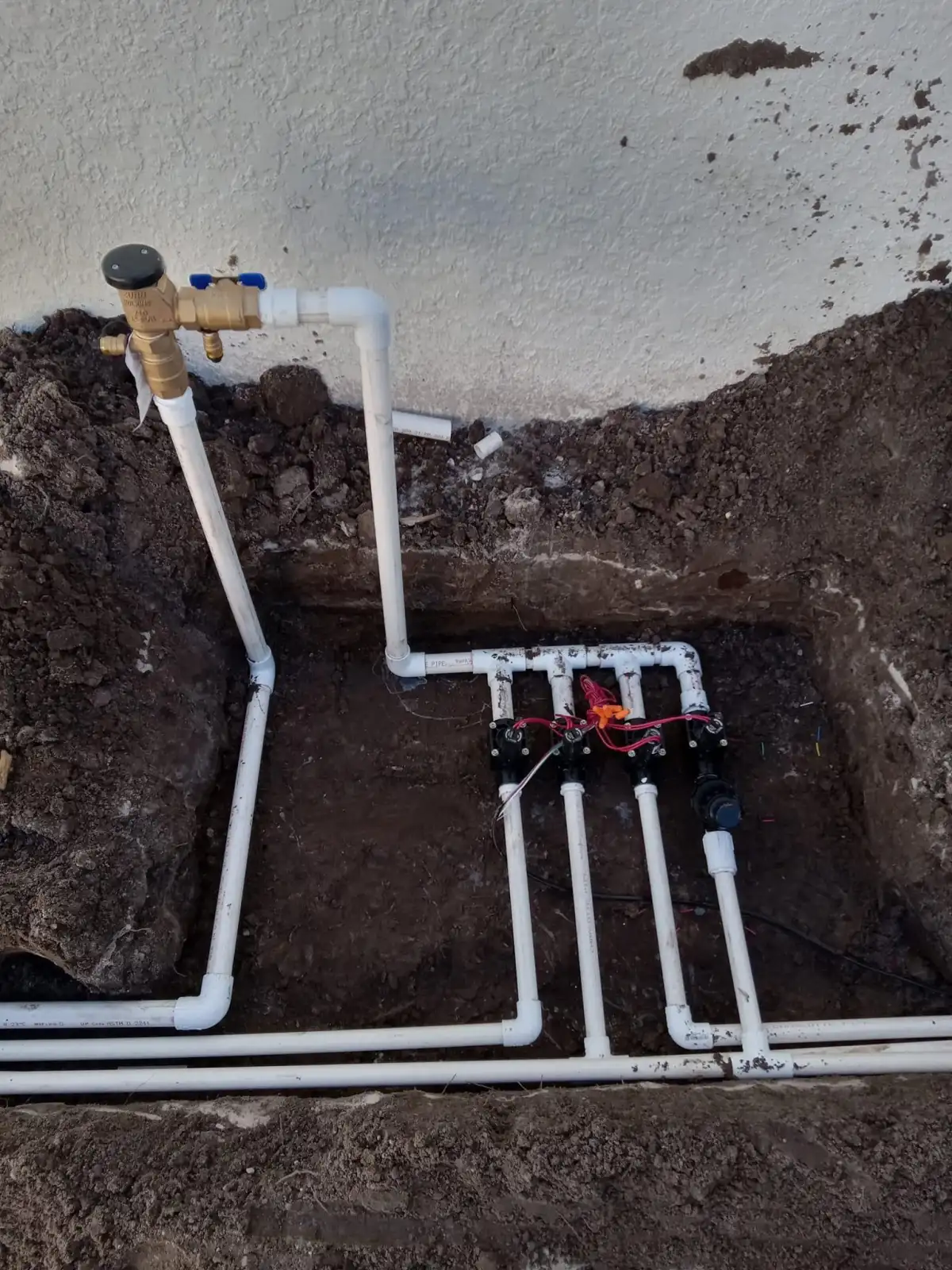
After drainage work is complete, homeowners should watch how water moves during several rains. Leaves, mulch, roots, soil settlement, and disconnected downspouts can change performance over time. Keeping outlets clear and addressing erosion early helps the system keep doing its job. If a future patio or wall is planned, those observations can also guide the next phase.
- Site conditions reviewed
- Scope explained clearly
- Photos and measurements encouraged
- Phasing discussed when useful
Signs Drainage Should Be Included In The First Scope
Drainage belongs in the first conversation when water stands near a door, runs across a planned patio, washes mulch into a walkway, softens soil behind a wall, or leaves muddy tracks in the main route from the house to the yard. Cedar Ridge Outdoor Living does not need perfect measurements to start that discussion, but photos after rain are extremely helpful. The team can look for downspout discharge, low edges, neighboring grade, compacted traffic paths, and places where a new hardscape surface could trap water if it is not pitched correctly. A drainage recommendation may be simple or it may affect the full layout, but either way it should be addressed before pavers, walls, lighting, or kitchen features are treated as finish-only decisions.
- Standing water near doors
- Downspouts beside patio edges
- Soft soil behind wall areas
- Runoff crossing walk paths
Drainage Choices That Keep Finished Spaces Usable
The best drainage solution is the one that moves water without creating a new problem elsewhere on the property. That may involve changing patio pitch, extending a downspout, adding a swale, routing water to a safe discharge point, or adjusting the location of a wall or walkway. The right answer depends on available slope, soil conditions, property edges, and how the outdoor living space will be used. For homeowners planning a patio or kitchen, drainage should be reviewed before the finish surface locks in the layout. That keeps the visible investment protected and helps the finished space dry out faster after typical Kansas rain events.
- Patio pitch decisions
- Safe discharge location
- Wall base protection
- Dryer traffic routes
Helpful Details For A Drainage Review
The best first message explains when the water appears, how long it stays, and what it affects. Photos taken during or after rain are more useful than dry-weather closeups because they show the actual route. Include downspouts, low lawn edges, patio corners, wall backs, and the place where water should be able to leave safely. That context helps separate a minor routing issue from a larger grading concern.
- Photos during or after rain
- How long water remains
- Downspout and outlet locations
- What the wet area prevents