Outdoor Kitchens Need Task Visibility
Outdoor kitchens need task visibility around grills, counters, prep surfaces, and serving areas. Lighting should help the cook without shining directly into guests eyes. If the kitchen is part of a new patio, wiring routes and transformer placement should be discussed before the hardscape is closed. That avoids surface wires, awkward fixture placement, or unnecessary rework later.
- Site conditions reviewed
- Scope explained clearly
- Photos and measurements encouraged
- Phasing discussed when useful
Wall And Step Lighting Improve Safety
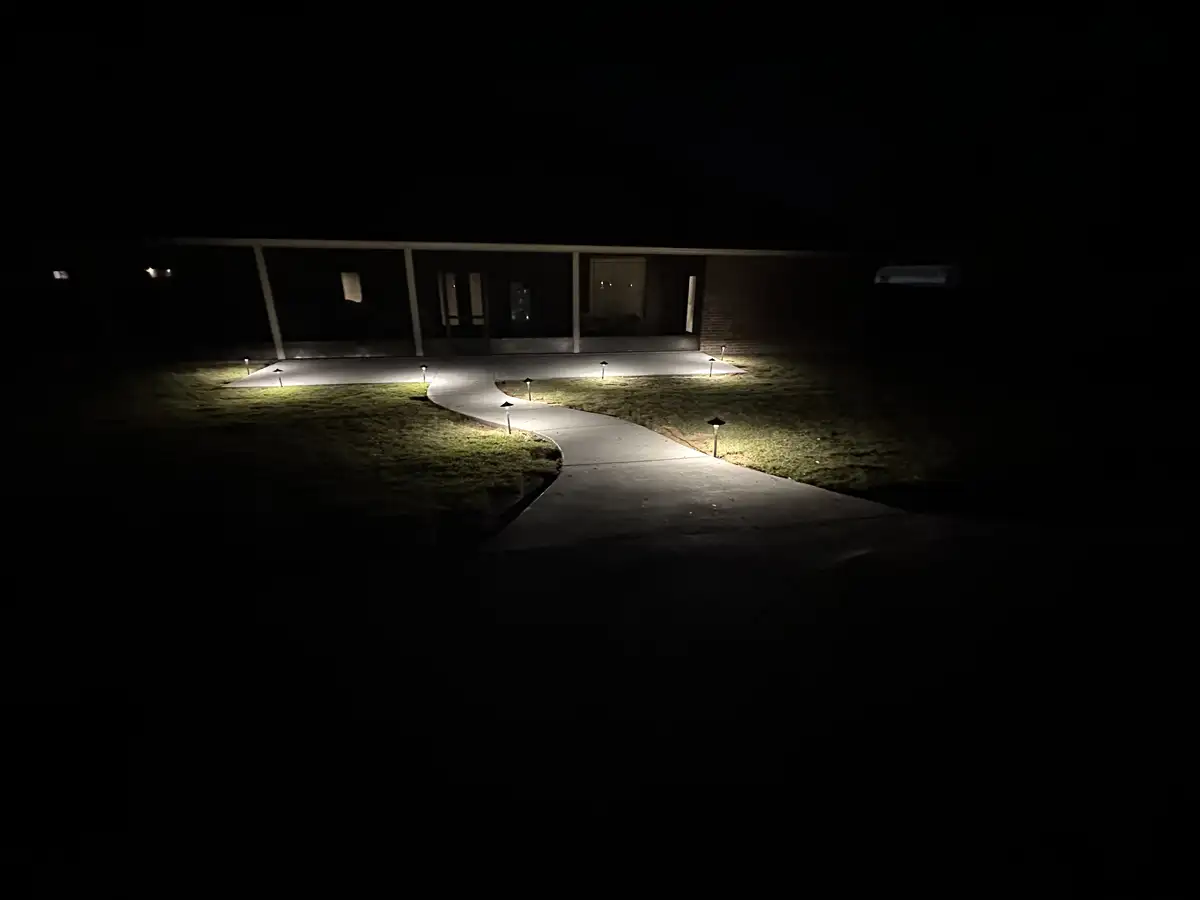
Retaining walls, steps, and walkway edges deserve careful lighting because those are the places where trips happen. Wall lights, cap lights, path lights, and step fixtures can make grade changes easier to read. Cedar Ridge Outdoor Living ties these choices to the hardscape layout so fixtures feel integrated with the structure, not added after the fact.
- Site conditions reviewed
- Scope explained clearly
- Photos and measurements encouraged
- Phasing discussed when useful
Estimate Details For Lighting Projects
A lighting estimate should outline the fixture zones, approximate fixture count, transformer location, wiring assumptions, control preferences, access needs, and whether the project connects to a patio, wall, or kitchen phase. Homeowners should also discuss how bright they want the finished space to feel. A clear lighting plan is easier to adjust before installation than after wires are buried.
- Site conditions reviewed
- Scope explained clearly
- Photos and measurements encouraged
- Phasing discussed when useful
Plan Routes Before Hardscape Closes
Lighting routes are easiest to plan while patios, walls, beds, or outdoor kitchens are being built. Even if the homeowner wants to install fixtures later, conduit or route planning can protect future options. Cedar Ridge Outdoor Living can discuss where future lighting may go so a phase-one patio does not block the more polished phase-two upgrade.
Fixture Choice Changes The Finished Feel
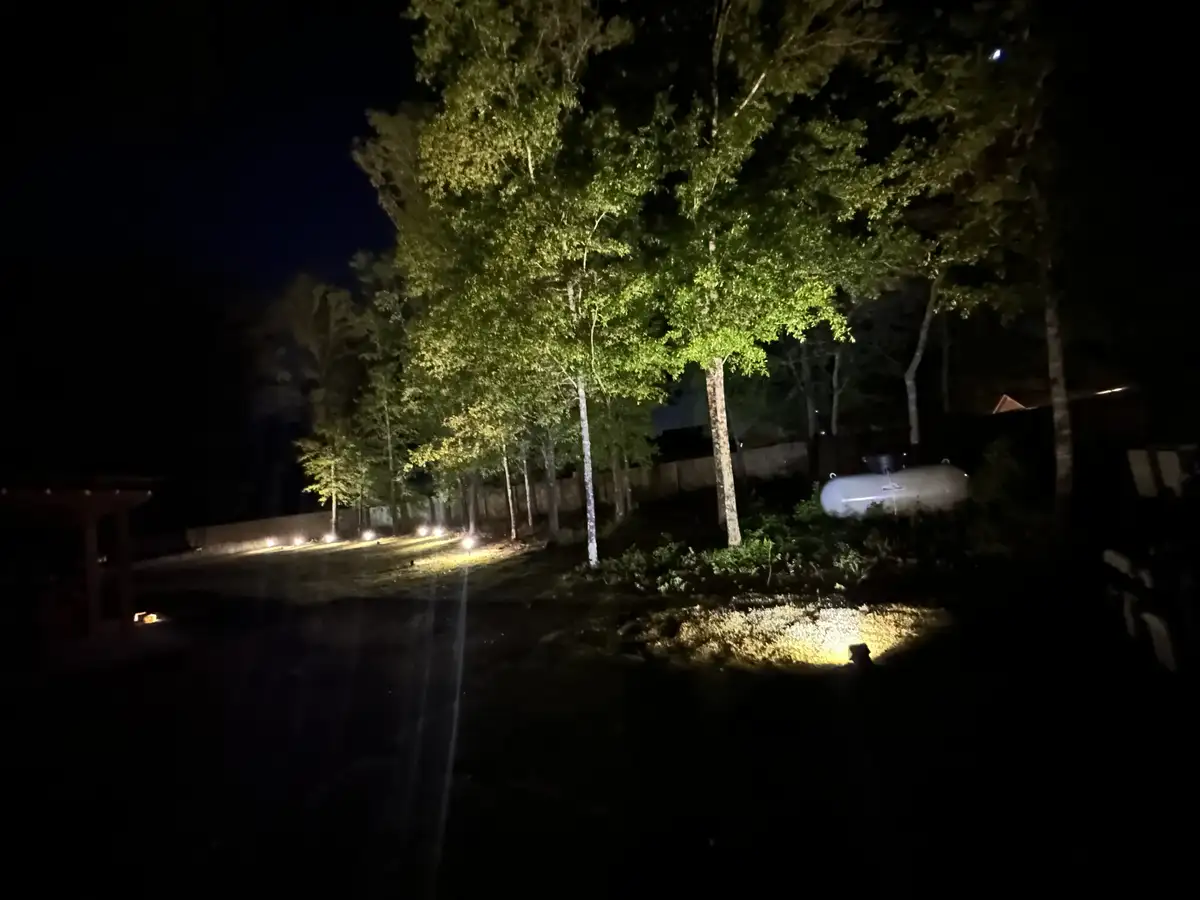
Path lights, wall lights, cap lights, uplights, downlights, and task fixtures all solve different problems. A path light can guide movement but may not help around a grill. A wall light can make a step easier to see but may not create enough warmth around seating. Uplighting can show tree structure or hardscape texture, while too much fixture brightness can make the space feel exposed. Cedar Ridge Outdoor Living matches fixture types to the way the patio, wall, kitchen, or walkway will be used.
- Path and step visibility
- Wall and cap lighting
- Tree and accent lighting
- Kitchen task lighting
Controls And Zones Make Lighting Easier To Live With
A useful lighting system should be simple to operate. Some homeowners want a basic timer. Others prefer smart controls, separate zones, dimming, or settings for quiet evenings compared with larger gatherings. Zones can keep a walkway bright enough for safety while the seating area stays softer. Control planning also affects transformer placement, wire routes, and how future fixtures can be added. Talking through these preferences early keeps the system from feeling either too bright or too limited.
- Timer and smart controls
- Separate lighting zones
- Transformer placement
- Future fixture capacity
Maintenance And Future Expansion
After installation, lighting systems need basic upkeep such as keeping lenses clean, adjusting fixtures after plant growth, checking timers or smart controls, and addressing wire exposure if beds are disturbed. A good system should also leave room for future fixtures when the patio, kitchen, or landscape matures. Planning for expansion keeps the system flexible.
- Site conditions reviewed
- Scope explained clearly
- Photos and measurements encouraged
- Phasing discussed when useful
Lighting Details To Decide Before Installation
Landscape lighting works best when the homeowner knows what should feel safer, what should look warmer, and what should stay subtle. A path from the driveway may need different fixture spacing than steps beside a patio. An outdoor kitchen needs task visibility without shining directly into seated guests. A retaining wall can benefit from low fixtures that define elevation changes, while a patio may need layered light around the edges instead of one bright glare point. Cedar Ridge Outdoor Living can review the way the yard is used after sunset, then plan fixture zones, transformer location, routes, and future expansion before hardscape work closes access to the easiest paths.
- Path and step visibility
- Patio edge ambience
- Outdoor kitchen task lighting
- Routes for future expansion
How To Describe The Lighting Goal
A helpful lighting request separates safety, task lighting, and atmosphere. Safety may mean steps, paths, or grade changes. Task lighting may mean a grill, counter, or prep zone. Atmosphere may mean softly defining patio edges, trees, walls, or seating areas. When those goals are clear, Cedar Ridge Outdoor Living can recommend fixture placement and zones without over-lighting the yard or missing the routes people use most often.
- Safety around grade changes
- Task light for cooking zones
- Soft patio edge definition
- Zones that can be controlled separately